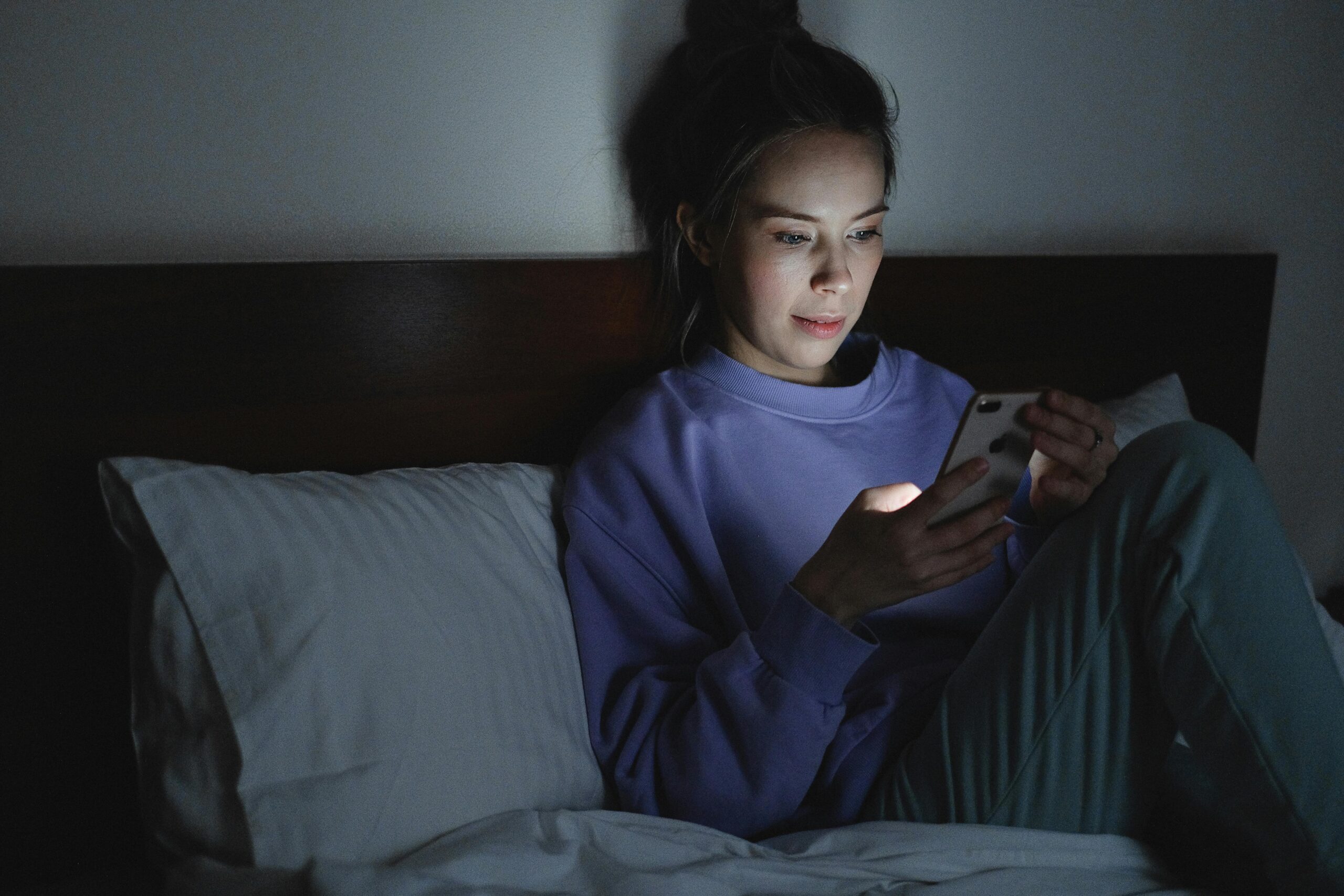
Ever caught yourself scrolling through feeds at 2 AM, wondering how you got there? You’re trapped in a midnight madness loop that’s hijacking your brain’s reward system. 🧠

The glow of screens in darkened bedrooms has become a defining feature of modern life. What starts as a quick check of notifications transforms into hours of endless scrolling, binge-watching, or gaming. This phenomenon isn’t simply a lack of willpower—it’s a sophisticated interplay between neurological habit loops and deliberately designed digital experiences that exploit our brain’s vulnerability during nighttime hours.
Understanding why we can’t seem to put our devices down after midnight requires diving deep into the psychology of habit formation, the neuroscience of reward systems, and the intentional design patterns that keep us engaged when we should be sleeping. The consequences extend far beyond tired mornings, affecting our mental health, physical wellbeing, and overall quality of life.
The Neuroscience Behind Your Midnight Scrolling Sessions 🔬
Your brain operates on a sophisticated reward system centered around dopamine, a neurotransmitter that creates feelings of pleasure and motivation. When you receive a notification, see a new post, or unlock an achievement in a game, your brain releases dopamine, creating a pleasurable sensation that reinforces the behavior.
This cycle becomes particularly powerful at night due to several neurological factors. Your prefrontal cortex—the brain region responsible for executive function and self-control—experiences diminished activity as you become tired. This cognitive fatigue makes you more susceptible to impulsive behaviors and less capable of resisting the pull of digital stimulation.
Meanwhile, the blue light emitted by screens suppresses melatonin production, the hormone that regulates your sleep-wake cycle. This creates a paradoxical situation where you’re simultaneously exhausted yet mentally stimulated, trapped in a state that feels both unpleasant and difficult to escape.
The Habit Loop Trinity: Cue, Routine, Reward
Charles Duhigg’s research on habit formation identified three core components that create automatic behaviors: the cue, the routine, and the reward. In the context of late-night screen time, this loop operates with remarkable efficiency.
The cue might be climbing into bed, experiencing a moment of boredom or anxiety, or simply feeling your phone in your pocket. The routine involves unlocking your device and engaging with apps or content. The reward comes from the dopamine hit of social validation, entertainment, or the temporary relief from uncomfortable thoughts.
What makes this loop particularly insidious at night is the reduced cognitive resources available to interrupt it. During daylight hours, you might have competing demands or sufficient willpower to break the cycle. At midnight, exhausted and alone, the path of least resistance leads directly into the screen’s glow.
How App Designers Weaponize Your Evening Vulnerability 📱
Technology companies employ teams of behavioral psychologists and user experience designers whose primary objective is maximizing engagement. These professionals understand habit loops intimately and design interfaces specifically to trigger and reinforce them.
Infinite scroll features eliminate natural stopping points, allowing content consumption to continue indefinitely. Autoplay functions on streaming platforms remove the decision-making friction that might prompt you to stop watching. Push notifications serve as external cues that reactivate dormant habit loops, pulling you back into apps even after you’ve closed them.
The variable reward schedule—sometimes finding interesting content, sometimes not—operates on the same principle as slot machines. This unpredictability creates stronger habit formation than consistent rewards because your brain remains in a state of anticipation, always hoping the next scroll will deliver something worthwhile.
The Dark Pattern Playbook
Beyond basic engagement techniques, some apps employ what designers call “dark patterns”—interface choices that deliberately manipulate user behavior against their best interests. These might include making privacy settings difficult to find, defaulting to the most invasive options, or using guilt-inducing language when you attempt to reduce usage.
Social media platforms strategically delay notification delivery to create unpredictable reward timing. Gaming apps implement daily login bonuses that reset at midnight, creating incentives to check in during late hours. Video platforms optimize their recommendation algorithms to serve increasingly engaging content as your session progresses, anticipating and preempting the moment you might consider stopping.
The Midnight Environment: When Darkness Amplifies Digital Pull 🌙
The nighttime environment creates unique psychological conditions that intensify screen addiction. Darkness triggers ancestral anxieties in many people, creating mild stress that screens temporarily alleviate. The quietness of night eliminates external stimulation, making digital content more relatively appealing compared to a silent, dark room.
Social dynamics shift after midnight as well. The performative aspects of daytime social media usage give way to more authentic, vulnerable late-night posts. This perceived intimacy can feel particularly compelling when you’re alone and tired, creating emotional engagement that transcends simple entertainment.
For many people, late-night screen time represents the only truly unstructured, obligation-free period in their day. After fulfilling work responsibilities, family duties, and social commitments, those midnight hours feel like personal time that shouldn’t be surrendered to sleep. This scarcity mindset—the feeling that you “deserve” this time—provides rationalization that overrides better judgment.
Recognizing Your Personal Trigger Landscape 🎯
Breaking free from midnight screen habits requires first understanding your specific trigger patterns. Different people respond to different cues, and effective intervention depends on identifying your unique vulnerability points.
Emotional triggers often drive late-night usage. Anxiety about tomorrow’s responsibilities might send you seeking distraction. Loneliness could prompt social media checking. Dissatisfaction with daily accomplishments might lead to gaming sessions that provide clearer achievement metrics. Boredom, restlessness, or difficulty processing emotions all create psychological discomfort that screens temporarily mask.
Environmental triggers include physical cues like seeing your device on the nightstand, lying in bed without immediately falling asleep, or experiencing silence that feels uncomfortable. Temporal triggers involve specific times—perhaps always checking your phone at 11 PM—or transitions between activities where screen time fills the gap.
The Anxiety-Avoidance Cycle
For many night owls, screens serve an anxiety-management function that becomes counterproductive. Worrying about sleep quality or tomorrow’s challenges creates arousal that prevents rest. Engaging with devices provides temporary distraction from these worries but ultimately exacerbates the underlying problem by delaying sleep and increasing next-day stress.
This creates a self-perpetuating cycle where anticipated anxiety about not sleeping drives behaviors that ensure you won’t sleep well, validating the original worry and strengthening the maladaptive coping pattern.
Rewiring Your Evening Routines for Digital Freedom 🔄
Successfully breaking midnight screen habits requires more than willpower—it demands strategic habit replacement and environmental restructuring. The goal isn’t simply eliminating an undesired behavior but installing more beneficial routines that fulfill the same underlying needs.
Start by identifying the reward your screen time provides. If it’s relaxation, alternative wind-down activities might include reading physical books, listening to podcasts without screens, or practicing gentle stretching. If it’s social connection, consider scheduled evening calls with friends or joining community groups with evening activities. If it’s achievement satisfaction, evening journaling about daily accomplishments can provide similar validation.
Physical environment modification creates structural barriers to unwanted habits. Charging devices in another room eliminates the visual cue and increases friction for access. Using alarm clocks instead of phone alarms removes the legitimate reason for bedside device presence. Creating a comfortable, appealing bedroom environment makes staying there without screens more pleasant.
Implementation Intentions and If-Then Planning
Research on behavior change demonstrates the effectiveness of implementation intentions—specific plans that follow an “if-then” format. Rather than vague goals like “use my phone less at night,” create concrete plans: “If I feel the urge to check my phone after 10 PM, then I will read three pages of my current book instead.”
These pre-committed responses reduce the cognitive load of in-the-moment decision-making when your willpower is depleted. Your tired brain simply follows the established plan rather than negotiating with itself about what to do.
Technology Solutions for Screen Time Management ⚙️
Paradoxically, technology itself offers tools for managing technology use. Screen time tracking apps provide awareness about actual usage patterns versus perceived habits, often revealing surprising discrepancies. Most people significantly underestimate their late-night screen time when asked.
Digital wellbeing features built into modern smartphones include options for scheduling downtime, setting app-specific time limits, and filtering notifications during designated hours. Grayscale mode removes the visually appealing colors that make screen content more engaging, reducing psychological pull without eliminating functionality for necessary uses.
Apps like Forest gamify phone avoidance by growing virtual trees during periods when you don’t use your device, transforming restraint into achievement. Website blockers and app limiters create friction that interrupts automatic habit execution, forcing conscious decision-making about whether screen use is truly desired or merely habitual.
Blue Light Filtering and Sleep Hygiene Technology
While not a complete solution, blue light filtering applications and settings reduce some of the sleep-disrupting effects of evening screen exposure. These tools shift display colors toward warmer tones that have less impact on melatonin production, potentially reducing the circadian disruption caused by late-night device use.
However, it’s crucial to recognize that blue light represents only one factor in screen-related sleep problems. The psychological stimulation from engaging content, the emotional responses triggered by social media, and the opportunity cost of time spent on devices rather than sleeping all contribute significantly regardless of light wavelength.
Building Your Personalized Liberation Strategy 🛠️
Effective behavior change acknowledges that different strategies work for different people. Your personality, living situation, work schedule, and specific triggers all influence which interventions will succeed. Experimentation and iteration are essential.
Begin with baseline tracking before implementing changes. For one week, simply observe and record your late-night screen use without judgment or intervention. Note what triggers the behavior, how long sessions last, and how you feel afterward. This data provides crucial insights for targeting interventions effectively.
Select one or two specific strategies to implement initially rather than attempting comprehensive overnight transformation. Habit research indicates that focused, incremental changes succeed more reliably than ambitious overhauls. Once initial modifications become automatic—typically after 2-3 weeks of consistent practice—you can layer additional changes.
The Power of Social Accountability
Behavioral change occurs more reliably with social support. Sharing your intentions with friends, family members, or online communities creates accountability that strengthens commitment. Some people find success with “tech-free after ten” pacts with partners or roommates, where both parties support each other’s efforts.
Consider the social dynamics that might be supporting current habits as well. If your friend group primarily communicates through late-night messaging, changing your behavior might require negotiating new interaction patterns or accepting some social opportunity cost during the transition period.
When Screen Habits Signal Deeper Issues 💭
Sometimes compulsive late-night screen use represents a symptom of underlying mental health concerns rather than simply a bad habit. Persistent insomnia, anxiety disorders, depression, or loneliness might manifest as excessive device engagement that provides temporary escape or distraction.
If your midnight screen habits resist change despite sustained effort, or if they’re accompanied by significant distress, functional impairment, or other concerning symptoms, professional support may be appropriate. Therapists specializing in behavioral issues, sleep disorders, or technology addiction can provide assessment and evidence-based interventions.
Cognitive behavioral therapy for insomnia (CBT-I) specifically addresses the thoughts and behaviors that perpetuate sleep difficulties, including screen-related habits. This structured approach has strong research support and often succeeds where self-directed change attempts stall.
Reclaiming Your Nights and Restoring Your Rest 🌟
Breaking free from midnight madness habit loops represents more than eliminating a problematic behavior—it’s an act of reclaiming agency over your attention, time, and wellbeing. The path forward requires patience, self-compassion, and realistic expectations.
Setbacks are inevitable and don’t indicate failure. Habit change follows a non-linear trajectory with advances and retreats. When you find yourself scrolling at 2 AM despite your best intentions, respond with curiosity rather than self-criticism. What triggered the relapse? What was different about this situation? What can you learn to strengthen your approach?
Celebrate incremental progress rather than demanding perfection. Reducing late-night screen time from two hours to one hour represents significant success even if your ultimate goal is elimination. These partial victories build confidence and momentum that support continued improvement.
The quality of your waking life improves dramatically when nighttime becomes genuinely restorative. Better sleep enhances mood, cognitive function, physical health, and emotional resilience. The temporary entertainment value of midnight scrolling pales against the comprehensive life improvements that come from breaking these habit loops.
Your brain’s neuroplasticity—its capacity to form new connections and patterns—means that different habits are always possible regardless of how entrenched current patterns feel. Each night offers a fresh opportunity to practice new routines, strengthen different neural pathways, and move toward the relationship with technology that serves your values and supports your wellbeing.
The screens will still be there tomorrow. Your health, peace, and presence in your actual life deserve priority tonight. 💤