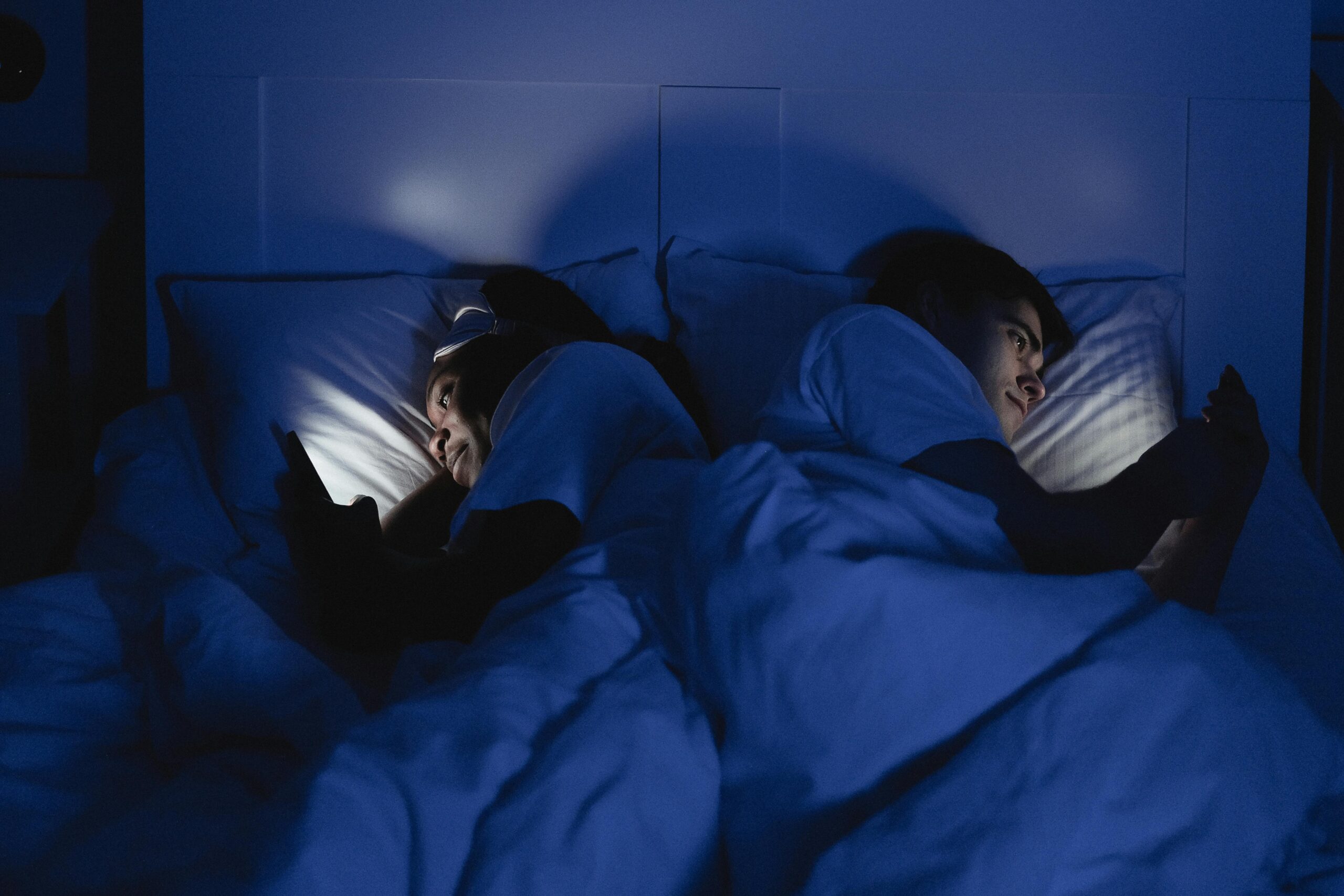
In our hyper-connected world, screens have become constant companions that follow us from sunrise to sunset—and often well into the night, affecting our sleep quality more than we realize.

🌙 The Silent Sleep Thief in Your Bedroom
Your smartphone, tablet, laptop, and television emit blue light that fundamentally disrupts your body’s natural sleep-wake cycle. This isn’t just about feeling tired; it’s about the profound impact screen time has on your circadian rhythm, melatonin production, and overall sleep architecture. Understanding how to pattern your screen exposure throughout the day and evening can transform your sleep quality and, consequently, your waking life.
The relationship between screen time and sleep isn’t simply about avoiding devices before bed. It’s a complex interplay of light exposure, mental stimulation, emotional engagement, and habitual behaviors that either support or sabotage your body’s preparation for restorative sleep.
Understanding the Science Behind Screens and Sleep
Blue light wavelengths between 450-480 nanometers are particularly effective at suppressing melatonin, the hormone responsible for signaling to your body that it’s time to sleep. When you expose yourself to these wavelengths in the evening, you’re essentially telling your brain it’s still daytime, delaying your natural sleep onset by up to three hours in some cases.
The Melatonin Suppression Timeline
Research shows that blue light exposure impacts melatonin production on a predictable timeline. Within two hours of bright screen exposure in the evening, melatonin levels can drop by as much as 50%. This suppression doesn’t immediately reverse when you turn off your device—it can take 30-60 minutes for melatonin production to resume normal patterns.
Beyond blue light, the content you consume matters tremendously. Stimulating content—whether it’s intense work emails, thrilling entertainment, or emotionally charged social media—activates your sympathetic nervous system, triggering the “fight or flight” response that’s antithetical to sleep preparation.
Creating Your Optimal Screen Time Pattern
Optimizing screen time for better sleep requires a strategic approach that considers timing, intensity, duration, and content type. This isn’t about completely eliminating screens from your life, but rather establishing patterns that honor your body’s biological needs.
The Three-Zone Approach to Daily Screen Time
Think of your day in three distinct zones, each with different screen time strategies:
- Morning Zone (Wake-up to Noon): This is your free pass for screen exposure. Natural cortisol levels are high, and bright light actually helps reinforce healthy circadian rhythms. Use this time for intensive screen work without sleep-related concerns.
- Afternoon Zone (Noon to 6 PM): Continue normal screen use, but begin introducing periodic breaks. Every 90 minutes, step away from screens for 10-15 minutes to prevent cumulative strain and mental fatigue.
- Evening Zone (6 PM to Bedtime): This is where strategic screen management becomes crucial. Implement progressive restrictions as bedtime approaches.
⏰ The Golden Hours: Managing Evening Screen Exposure
The three hours before your target bedtime represent your most critical window for sleep optimization. How you manage screen time during these golden hours will largely determine your sleep quality.
The 3-2-1 Screen Shutdown Strategy
This progressive approach helps your body transition smoothly toward sleep readiness:
Three Hours Before Bed: Shift away from work-related screens and high-intensity content. No more emails, complex problem-solving, or stressful media consumption. This is when you begin the mental transition from “doing” to “being.”
Two Hours Before Bed: Activate blue light filters on all remaining devices you’ll use. Enable night mode, use blue light blocking apps, or put on blue light filtering glasses. Reduce screen brightness to 30-50% of daytime levels.
One Hour Before Bed: Ideally, eliminate all screen exposure. If screens are unavoidable, limit to passive, calming content only—gentle music, meditation apps, or audiobooks with dimmed displays. Keep devices at arm’s length to reduce light intensity reaching your eyes.
Strategic Screen Substitutions for Evening Hours
One of the biggest challenges people face when reducing evening screen time is filling the void. Screens have become our default entertainment, information source, and social connection tool. Successful screen time optimization requires having meaningful alternatives ready.
Engaging Screen-Free Activities That Promote Sleep
- Reading Physical Books: Paper books don’t emit light and the tactile experience provides sensory satisfaction without stimulation. Choose lighter content for bedtime reading.
- Gentle Stretching or Yoga: Physical movement that’s not vigorous helps release accumulated tension and signals the body toward rest mode.
- Journaling: Processing thoughts on paper clears mental clutter that might otherwise keep you awake, without the blue light exposure of digital journaling.
- Conversation: Face-to-face connection with household members satisfies social needs without screen intermediation.
- Creative Hobbies: Drawing, knitting, puzzles, or other hands-on activities engage your mind productively without disrupting sleep chemistry.
📱 Making Screens Work for Your Sleep
When you must use screens in the evening, strategic choices can minimize their negative impact on sleep quality.
Device-Specific Optimization Strategies
Smartphones: These are the most problematic for sleep because of their proximity to your face and their tendency to deliver unpredictable notifications. Enable Do Not Disturb mode from dinner onward, use grayscale mode to reduce engagement, and keep devices at least 3 feet from your bed.
Tablets: Slightly better than phones due to typical viewing distance, but still problematic. If using tablets in the evening, maximize brightness reduction, enable night mode, and position the device at the farthest comfortable viewing distance.
Laptops and Computers: Desktop screens typically sit farther from your eyes, reducing light intensity. Use software like f.lux or built-in night shift features. Consider monitor placement—positioning screens below eye level reduces light reaching the suprachiasmatic nucleus, the brain’s master clock.
Televisions: Generally the least disruptive screen option due to viewing distance. Sit at least 8-10 feet from the screen, reduce brightness significantly, and avoid intense, action-packed content within two hours of bedtime.
The Content Matters as Much as the Device
Not all screen time is created equal when it comes to sleep impact. A meditation app with a dimmed screen affects your sleep preparation very differently than scrolling through inflammatory social media posts or playing competitive video games.
Sleep-Compatible vs. Sleep-Disruptive Content
Sleep-Compatible Content:
- Guided meditations and breathwork videos
- Calm documentaries about nature or art
- Slow-paced, familiar television shows (avoid plot-heavy dramas)
- Relaxing music or soundscape videos
- Light educational content without emotional charge
Sleep-Disruptive Content:
- Social media feeds with unpredictable content
- News, particularly crisis or conflict coverage
- Work communications and problem-solving
- Competitive gaming or suspenseful entertainment
- Content that triggers strong emotional responses
🛠️ Technology Tools That Support Better Sleep
Ironically, technology can also be part of the solution. Strategic use of apps and device settings can help you manage screen time more effectively and support healthy sleep patterns.
Essential Digital Tools for Sleep Optimization
Screen time tracking apps provide awareness of actual usage patterns versus perceived patterns—most people significantly underestimate their evening screen time. Set daily limits and evening restrictions using built-in Digital Wellbeing (Android) or Screen Time (iOS) features.
Blue light filtering applications go beyond basic night mode, adjusting color temperature gradually as evening progresses to mimic natural light transitions from sunset to darkness.
Sleep tracking applications can help you identify correlations between your screen patterns and sleep quality metrics, though ironically, you should avoid checking these apps right before bed.
The Bedroom Screen Boundary
Perhaps the most powerful screen time pattern for sleep optimization is the simplest: keep screens out of your bedroom entirely. Your bedroom should be a sanctuary associated exclusively with sleep and intimacy, not entertainment and communication.
Creating a Screen-Free Sleep Environment
Establishing this boundary requires addressing practical concerns. If you use your phone as an alarm, invest in a dedicated alarm clock. If you read on tablets before sleep, transition to physical books or an e-reader with e-ink technology that doesn’t emit blue light.
The psychological benefit of a screen-free bedroom extends beyond blue light concerns. When screens are present, they represent infinite possibilities for engagement, creating mental activation incompatible with sleep. Their absence creates a clear environmental cue that this space is for rest.
Building Sustainable Screen Time Patterns
Knowledge without implementation changes nothing. The key to optimizing screen time for better sleep lies in creating sustainable patterns that work within your lifestyle constraints.
The Gradual Adjustment Approach
Don’t attempt to overhaul your entire screen relationship overnight. Research on habit formation suggests gradual adjustments create more sustainable change than dramatic transformations.
Start by moving your screen shutdown time 15 minutes earlier each week. If you currently use screens until you close your eyes to sleep, begin by stopping 15 minutes before lights out. After a week, extend this to 30 minutes, then 45, gradually working toward the ideal one-hour screen-free buffer.
Creating Environmental Supports
Your environment should make healthy screen patterns easier than unhealthy ones. Charge devices outside your bedroom. Place engaging screen-free alternatives—books, journals, puzzles—in visible, accessible locations. Use physical timers as reminders for screen shutdown times.
💤 Recognizing and Overcoming Screen Time Obstacles
Understanding common barriers to healthy screen patterns helps you proactively address them before they derail your sleep optimization efforts.
The FOMO Challenge
Fear of missing out drives compulsive screen checking, particularly on social media. Combat this by designating specific times for social media engagement—preferably during morning or afternoon zones—and using app timers to enforce boundaries.
The Work Creep Problem
Professional obligations increasingly blur the boundaries between work and personal time. Establish clear work communication boundaries: no email checking after a designated time, automatic responders indicating evening unavailability, and separate work and personal devices when possible.
The Boredom Default
Screens have become our automatic response to any moment of unoccupied time. Recognize that boredom isn’t an emergency requiring immediate screen stimulation. Practice tolerating brief periods of unstimulated awareness as a form of mental rest that actually supports sleep quality.
Measuring Your Success
Track both your screen patterns and your sleep quality to identify what works for your unique physiology and lifestyle. Keep a simple log noting your final screen time each night and your subjective sleep quality the following morning.
Most people notice improvements within 3-5 days of implementing earlier screen cutoffs. You might experience easier sleep onset, fewer nighttime awakenings, more refreshing sleep, and improved morning alertness. These positive reinforcements motivate continued adherence to healthy patterns.
Beyond Individual Change: Creating Family Screen Patterns
Optimizing screen time for sleep becomes significantly easier when your household shares common patterns. Family screen shutdown times create social support and eliminate the temptation that comes from watching others use devices while you abstain.
Establish device-free evening rituals that bring family members together without screens—board games, conversation, outdoor activities in warmer months, or collaborative creative projects. These shared experiences provide meaningful connection while supporting everyone’s sleep health.
🌟 Your Personalized Screen Time Blueprint
Every person’s optimal screen pattern will look slightly different based on chronotype, work demands, family structure, and personal preferences. Use the frameworks provided here as starting points, then experiment to discover your ideal approach.
Pay attention to your body’s feedback. If you implement a screen shutdown time but find yourself lying awake with racing thoughts, you might need additional wind-down activities beyond simply avoiding screens. If you feel groggy despite adequate sleep duration, evaluate not just evening screens but also morning light exposure patterns.
The goal isn’t perfection—occasional late-night screen use won’t permanently damage your sleep. The goal is establishing consistent patterns that support your sleep most nights, with built-in flexibility for life’s inevitable exceptions.
Transforming Your Relationship With Technology
Optimizing screen time patterning for better sleep ultimately requires shifting how you relate to technology. Screens are tools that should serve your wellbeing, not masters that dictate your behaviors and compromise your health.
By implementing strategic screen patterns—particularly during the critical evening hours—you reclaim control over both your technology use and your sleep quality. The benefits extend far beyond feeling more rested. Better sleep improves cognitive function, emotional regulation, immune system strength, metabolic health, and overall life satisfaction.
Your journey toward better sleep through optimized screen patterns begins with a single decision: tonight, turn off your screens just 15 minutes earlier than usual. Notice how you feel. Build from there. Your more rested, energized, healthier self awaits on the other side of this simple but profound change. Sleep soundly. 🌙