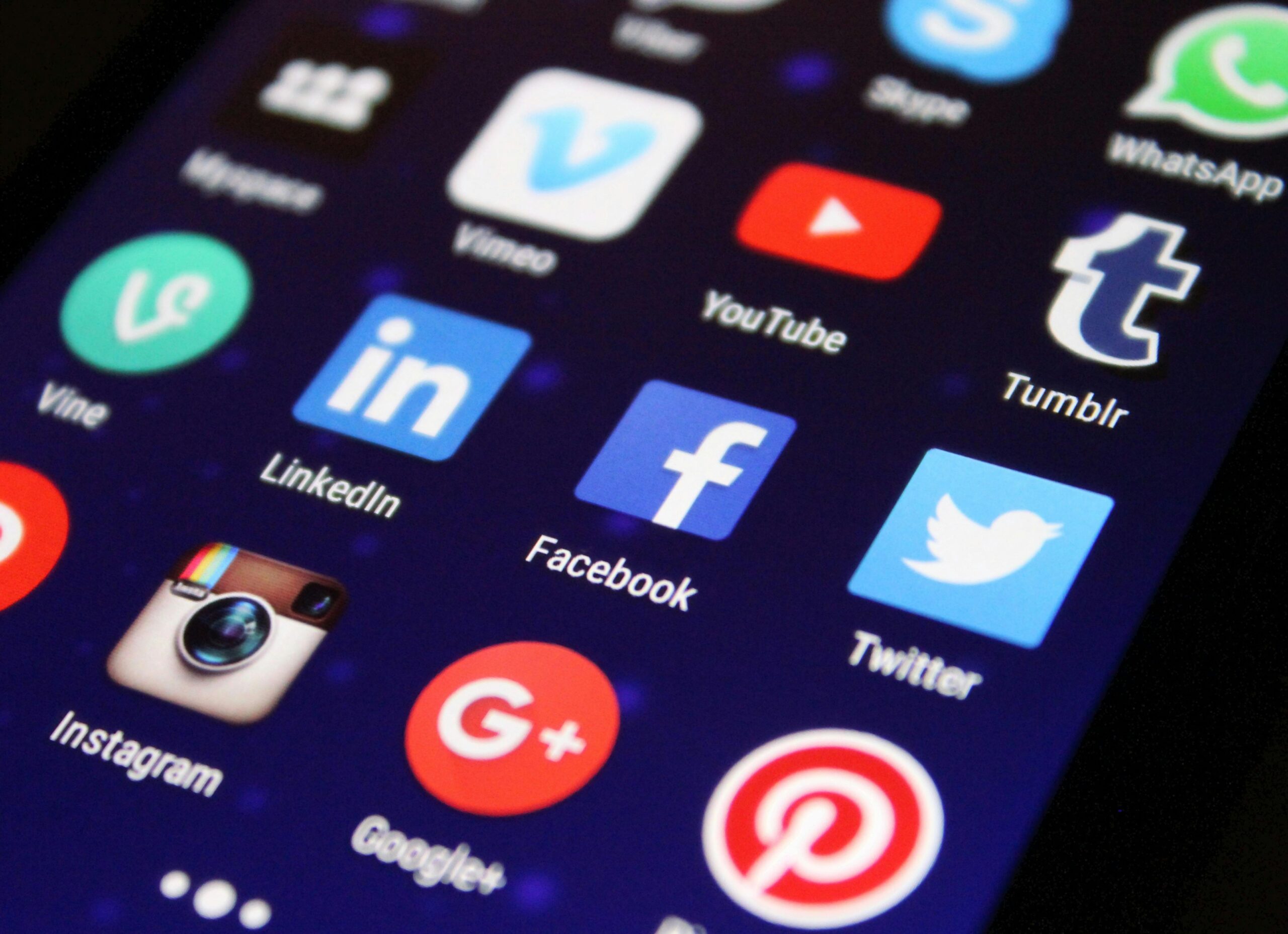
In today’s hyper-connected digital landscape, entrepreneurs and teams face an unprecedented challenge: managing overwhelming information streams while maintaining peak productivity and creative focus.

The constant ping of notifications, endless scroll of social media feeds, and mounting pressure to stay “always on” have created a paradox where our digital tools—designed to enhance efficiency—often become the very obstacles preventing us from achieving meaningful work. This reality has sparked a powerful counter-movement: digital minimalism, a philosophy that’s transforming how successful entrepreneurs and high-performing teams approach their relationship with technology.
Digital minimalism isn’t about rejecting technology altogether or retreating to a cabin in the woods without WiFi. Instead, it’s a strategic approach to curating your digital life, intentionally selecting tools and platforms that truly serve your goals while eliminating those that drain your energy and attention. For entrepreneurs juggling multiple responsibilities and teams collaborating across time zones, this philosophy offers a pathway to reclaiming focus, boosting productivity, and ultimately achieving sustainable success.
🎯 Understanding Digital Minimalism in the Entrepreneurial Context
Digital minimalism, a term popularized by computer science professor Cal Newport, represents a philosophy of technology use centered around intentionality. For entrepreneurs, this means evaluating every digital tool, app, and platform through a critical lens: does this genuinely support my business objectives, or is it simply creating noise?
The entrepreneurial journey demands constant decision-making, creative problem-solving, and strategic thinking—all cognitive activities that require deep focus and mental clarity. When our attention is fragmented across dozens of apps, browser tabs, and communication channels, we operate in a perpetual state of shallow work, never achieving the depth necessary for breakthrough innovations or strategic insights.
Research from the University of California, Irvine, reveals that it takes an average of 23 minutes and 15 seconds to return to a task after an interruption. For entrepreneurs who might face dozens of digital interruptions daily, this represents hours of lost productive time—time that could be invested in revenue-generating activities, strategic planning, or meaningful client interactions.
💼 The Hidden Costs of Digital Overwhelm for Business Leaders
Before exploring solutions, it’s essential to understand exactly what digital clutter costs your business. The impacts extend far beyond simple time loss and affect multiple dimensions of entrepreneurial success.
Cognitive Overhead and Decision Fatigue
Every app on your phone, every browser bookmark, and every subscribed newsletter represents a micro-decision point. Should I check this? Do I need to respond? Is there something important here? These seemingly insignificant decisions accumulate throughout the day, contributing to decision fatigue—a state where your ability to make quality decisions deteriorates due to mental exhaustion.
For entrepreneurs who must make high-stakes decisions regularly, preserving cognitive resources becomes paramount. Digital minimalism eliminates unnecessary decision points, freeing mental energy for what truly matters.
The Creativity Killer: Constant Connectivity
Breakthrough ideas rarely emerge when we’re scrolling through feeds or jumping between apps. Creativity requires what psychologists call “diffuse mode thinking”—a relaxed, wandering mental state that allows disparate ideas to connect in novel ways. Constant digital stimulation keeps our brains locked in focused mode, preventing the creative incubation necessary for innovation.
Entrepreneurs who embrace digital minimalism deliberately create space for boredom and mental wandering—conditions that seem unproductive but are actually essential for creative breakthrough.
Relationship Quality in Team Dynamics
Digital overwhelm doesn’t just affect individual productivity; it erodes team cohesion and communication quality. When team members are constantly distracted by notifications and switching between platforms, meetings become less effective, collaboration suffers, and misunderstandings multiply.
Teams practicing digital minimalism report stronger relationships, clearer communication, and more effective collaboration—all critical factors in entrepreneurial success.
🔧 Implementing Digital Minimalism: A Strategic Framework
Transitioning to a digitally minimalist approach requires intentional strategy, not impulsive deletion of apps or dramatic technology detoxes that prove unsustainable. Here’s a practical framework for entrepreneurs and teams ready to streamline their digital workflows.
Step 1: The Digital Audit
Begin with complete visibility into your current digital landscape. For one week, track every digital tool, app, and platform you use, noting frequency and purpose. This audit reveals patterns you might not consciously recognize—like checking email 47 times daily or spending two hours on social media platforms under the guise of “market research.”
Create a simple spreadsheet documenting each tool, its stated purpose, actual usage patterns, and honest assessment of its value. This data-driven approach removes emotion from the decluttering process and provides clear direction for optimization.
Step 2: Define Your Core Values and Goals
Digital minimalism isn’t about using fewer tools arbitrarily; it’s about aligning your technology use with your deepest values and most important goals. Before deciding what stays and what goes, clearly articulate your entrepreneurial vision, quarterly objectives, and core business priorities.
Ask yourself: What does success look like for my business in the next 90 days? What activities directly contribute to this vision? Which digital tools genuinely support these activities? This values-based approach ensures your digital environment actively supports your mission rather than distracting from it.
Step 3: The Ruthless Cull
Armed with your audit data and clarified goals, begin the elimination process. Delete apps that don’t serve clear, specific purposes aligned with your objectives. Unsubscribe from newsletters you don’t read. Leave Slack channels that generate noise without value. Cancel subscriptions to tools you’ve been “meaning to use.”
This process feels uncomfortable—you’ll encounter resistance around “but I might need this someday” or “this only costs a few dollars.” Push through this discomfort. Remember that every tool you retain carries cognitive overhead, whether you actively use it or not.
Step 4: Optimize What Remains
For the tools that survive your cull, optimize their configuration for focused work. Turn off all non-essential notifications. Establish specific time blocks for checking communication platforms rather than remaining constantly available. Use website blockers during deep work sessions. Reorganize your phone’s home screen to feature only essential apps.
Consider using focus-enhancing tools like Forest, which gamifies staying off your phone during designated work periods, helping you build concentration habits while visually tracking your focused time.
Step 5: Establish Digital Boundaries and Protocols
Individual minimalism offers limited benefits if your team operates in digital chaos. Establish clear communication protocols that respect focus time. This might include:
- Designated “office hours” for synchronous communication
- Expectations that emails don’t require instant responses
- A single source of truth for project information rather than scattered across multiple platforms
- Regular digital-free team meetings where phones and laptops stay closed
- Clear escalation procedures for genuine emergencies versus routine matters
These boundaries might feel counterintuitive in our always-on culture, but they actually accelerate progress by allowing uninterrupted deep work.
📊 Measuring Success: Productivity Metrics That Matter
Digital minimalism should translate into tangible business results. Track meaningful metrics to assess whether your streamlined approach is working:
| Metric | Before Digital Minimalism | After Digital Minimalism | Target Improvement |
|---|---|---|---|
| Deep work hours per week | 5-8 hours | 15-20 hours | 200% increase |
| Daily context switches | 150-200 | 40-60 | 70% reduction |
| Time to complete priority projects | 6-8 weeks | 3-4 weeks | 50% reduction |
| Evening mental clarity (self-rated 1-10) | 4-5 | 7-9 | 60% improvement |
Beyond quantitative metrics, pay attention to qualitative indicators: Do you feel more creative? Are strategic insights emerging more frequently? Do you experience greater sense of control over your time? These subjective experiences often precede measurable business improvements.
⚡ Advanced Strategies for Entrepreneurial Teams
Async-First Communication Culture
One of the most powerful applications of digital minimalism for teams involves embracing asynchronous communication as the default mode. Rather than expecting immediate responses and hosting excessive meetings, async-first teams document decisions, share updates through recorded videos or detailed written summaries, and respect each member’s focus time.
This approach enables team members across different time zones to contribute meaningfully without the cognitive drain of constant real-time coordination. It also creates a searchable knowledge base that reduces repetitive questions and onboarding time for new team members.
Batch Processing Communication
Instead of leaving email and messaging apps open all day, successful digitally minimalist entrepreneurs process communications in dedicated batches—typically two or three times daily. This batching approach prevents the constant context-switching that decimates productivity while ensuring important matters receive attention within reasonable timeframes.
During communication batches, employ the “four Ds” decision framework: Do it (if it takes less than two minutes), Defer it (schedule for later), Delegate it (assign to appropriate team member), or Delete it (archive without action).
Single-Purpose Devices and Sessions
Consider designating specific devices or browser profiles for specific purposes. One entrepreneur might use their tablet exclusively for reading and research, their laptop for creation and deep work, and their phone only for essential communication. This physical separation reinforces mental boundaries and reduces temptation to multitask.
Similarly, establish single-purpose work sessions where you focus on one type of activity exclusively—writing, client calls, strategic planning, or administrative tasks—rather than mixing different work modes within the same time block.
🚀 Real-World Success Stories: Digital Minimalism in Action
The principles of digital minimalism have transformed countless entrepreneurial ventures. Consider the SaaS founder who reduced her company’s communication tools from seven platforms to two, resulting in 40% faster project completion times and significantly reduced team stress. Or the marketing agency that implemented “focus Fridays” with zero internal meetings and minimal digital communication, producing their most creative campaigns during these protected periods.
A remote team of 15 people adopted a rule limiting Slack channels to five core categories, requiring written proposals before creating new channels. This simple constraint reduced message volume by 60% while improving information quality and decision-making speed. Team members reported feeling less anxious about “missing something” and more confident in their understanding of priorities.
These success stories share common elements: intentional design of digital environments, clear communication norms, and leadership commitment to protecting focus time even when it feels counterintuitive.
🎬 Sustaining Digital Minimalism Long-Term
Initial enthusiasm for digital minimalism often wanes as old habits reassert themselves. Sustaining this approach requires ongoing commitment and strategic interventions.
Regular Digital Decluttering Rituals
Schedule quarterly digital audits to reassess your tool stack, eliminate accumulated digital clutter, and ensure your environment still aligns with current goals. Business priorities evolve, and your digital ecosystem should evolve accordingly.
Monthly reviews of your focus metrics, communication patterns, and productivity indicators provide early warning when digital creep begins eroding your minimalist gains.
Creating Accountability Structures
Digital minimalism proves easier to maintain with external accountability. Partner with another entrepreneur for mutual check-ins on digital habits. Share your communication boundaries publicly so clients and colleagues understand your availability patterns. Use commitment devices like app timers or website blockers that make it harder to slip back into old patterns.
Celebrating Wins and Adjusting Course
Acknowledge and celebrate the concrete benefits of your streamlined approach—completed projects, creative breakthroughs, reduced stress, stronger relationships. These positive reinforcements strengthen your commitment when you’re tempted to revert to digital overload.
Simultaneously, remain flexible about what works. Digital minimalism isn’t about rigid rules; it’s about intentional choices that serve your goals. If a tool or practice isn’t working, adjust rather than abandoning the entire framework.

🌟 The Competitive Advantage of Focus
In an economy where most professionals remain perpetually distracted, the ability to focus deeply represents an enormous competitive advantage. Entrepreneurs who master their digital environment don’t just work more efficiently—they produce higher quality output, generate more innovative solutions, and build more sustainable businesses.
Digital minimalism enables you to operate at your cognitive peak rather than in a constant state of partial attention. This heightened presence extends beyond work productivity to all areas of life—you’re more engaged with family, more creative in problem-solving, more strategic in decision-making.
The future belongs not to those who adopt every new tool and platform, but to those who selectively leverage technology in service of clearly defined goals. By streamlining your digital workflow, you’re not just boosting productivity—you’re reclaiming agency over your attention, your time, and ultimately your entrepreneurial destiny.
Start small. Choose one principle from this article and implement it this week. Notice the impact. Build from there. The compound effects of digital minimalism accumulate rapidly, transforming not just how you work, but the quality of work you’re capable of producing. Your focused future awaits—it’s time to clear the digital noise and unlock your full entrepreneurial potential. 🚀