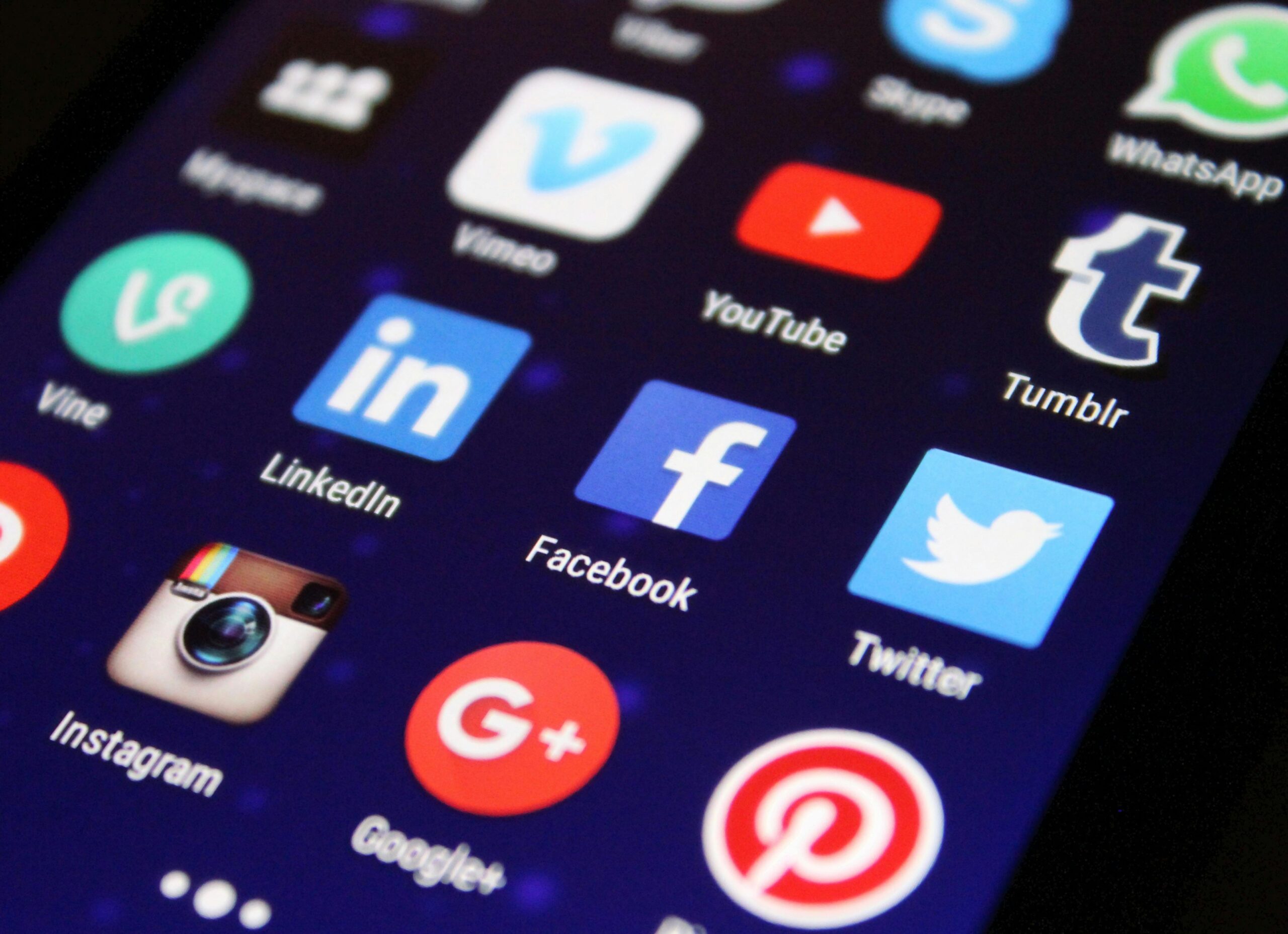
In today’s hyperconnected world, clutter has evolved beyond messy desks and overflowing closets to infiltrate our digital spaces, silently sabotaging our mental clarity and daily performance.

🧠 The Hidden Cost of Clutter on Your Brain
Our brains are remarkable processing machines, but they weren’t designed for the overwhelming volume of stimuli we encounter daily. Both physical and digital clutter create a constant low-level stress that drains our cognitive resources without us even realizing it. When your environment—whether it’s your desk, your smartphone screen, or your email inbox—is cluttered, your brain must continuously filter through unnecessary information to find what matters.
Research from Princeton University’s Neuroscience Institute has demonstrated that physical clutter in your environment competes for your attention, resulting in decreased performance and increased stress. The visual cortex becomes overwhelmed by task-irrelevant objects, making it significantly harder to allocate attention and complete tasks efficiently. This cognitive load doesn’t disappear when you close your eyes; it lingers, affecting your ability to think clearly and make decisions.
Digital clutter operates similarly but with an insidious twist—it’s always accessible. That notification badge showing 47 unread emails, the 83 browser tabs you’ve kept open “just in case,” or the 5,000 photos on your phone you’ll “organize someday” all contribute to mental fatigue. Your brain knows these tasks exist, creating background anxiety that diminishes your capacity for deep work and creative thinking.
📱 The Digital Clutter Epidemic
Digital clutter has become the invisible epidemic of the modern age. Unlike physical clutter that you can see and touch, digital disorder hides in folders, inboxes, apps, and cloud storage, quietly accumulating until it becomes unmanageable. The average person receives over 120 emails per day, has 80 apps installed on their smartphone, and stores thousands of files across multiple devices and platforms.
This digital chaos manifests in several ways:
- Notification overload: Constant interruptions from apps, messages, and alerts fragment your attention and destroy focus
- Information hoarding: Saving articles, bookmarks, and files “for later” that never get reviewed
- App sprawl: Downloading applications impulsively and rarely using them, creating visual and cognitive clutter
- Digital procrastination: Keeping items unorganized as a form of avoidance, leading to decision fatigue
- Cloud confusion: Files scattered across multiple platforms with no clear organizational system
The productivity cost is staggering. Studies indicate that workers lose an average of 2.5 hours daily to distractions and interruptions, with digital clutter being a primary contributor. When you need to locate a specific file, email, or piece of information, the time spent searching through disorganized digital spaces adds up quickly, stealing precious minutes that could be dedicated to meaningful work.
🏠 Physical Clutter: The Tangible Productivity Killer
While digital clutter may be invisible, physical clutter presents an immediate, tangible obstacle to productivity. A cluttered workspace directly correlates with increased cortisol levels—the stress hormone that impairs cognitive function. When your desk is covered with papers, old coffee cups, tangled cables, and miscellaneous items, your brain expends energy processing all these visual stimuli before you can even begin your actual work.
Physical disorder affects more than just your workspace efficiency. A cluttered home environment can disrupt sleep patterns, increase anxiety, and make it difficult to relax and recharge. When you’re surrounded by incomplete projects, items without designated homes, and general disorganization, your mind struggles to transition into rest mode because it subconsciously registers all the unfinished business around you.
The phenomenon extends to how we make decisions. Decision fatigue—the deteriorating quality of decisions after making many choices—becomes exponentially worse in cluttered environments. Every object in your visual field represents a micro-decision: “Do I need this? Should I move it? What do I do with it?” These countless tiny decisions deplete your mental energy reserves before you’ve tackled your most important tasks of the day.
⚡ The Productivity-Clarity Connection
Productivity isn’t about doing more things; it’s about doing the right things with focused attention. Clutter—both digital and physical—severs this critical connection between clarity and effective action. When your environment is chaotic, your thinking becomes scattered, mirroring the disorder around you. This creates a vicious cycle where lack of clarity leads to poor organization, which further diminishes mental clarity.
Clear spaces foster clear thinking. When you declutter your environment, you create mental bandwidth for what truly matters. This isn’t about perfectionism or obsessive organization—it’s about removing friction from your daily workflow. Every moment spent searching for a lost file, navigating through unnecessary apps, or clearing space to work is a moment stolen from your creative and productive potential.
The compound effect of small organizational improvements cannot be overstated. Imagine saving just five minutes per day by having an organized digital filing system. Over a year, that’s more than 30 hours—nearly four full workdays—reclaimed simply by reducing digital clutter. Multiply this across multiple areas of life, and the time savings become transformative.
🔄 The Psychological Impact of Clutter
Beyond productivity metrics, clutter exerts a profound psychological toll. Chronic disorganization is strongly associated with procrastination, with each feeding into the other. When faced with a cluttered desk or overflowing inbox, the overwhelm can trigger avoidance behaviors. Instead of tackling the mess, we find easier, more immediately gratifying tasks, perpetuating the cycle.
There’s also an identity component to clutter. The things we accumulate—both physical objects and digital files—often represent aspirational versions of ourselves. Those language-learning apps you never use, the business books piled on your nightstand, or the hobby supplies gathering dust all represent intentions that didn’t materialize. Confronting this clutter means confronting the gap between who we want to be and who we actually are, which can be emotionally challenging.
However, clearing clutter can also be deeply therapeutic. Many people report feeling lighter, more energized, and more optimistic after decluttering sessions. This isn’t just psychological—it’s neurological. Completing the act of organizing and discarding unnecessary items provides a sense of accomplishment and control, releasing dopamine and creating positive momentum for tackling other challenges.
🛠️ Practical Strategies for Digital Decluttering
Addressing digital clutter requires systematic approaches rather than sporadic purging. Start with your most frequently used digital spaces and work methodically through each area.
Taming Your Email Inbox
Email remains one of the most cluttered digital spaces for most professionals. Implement the “Inbox Zero” philosophy by treating your inbox as a temporary holding space, not a filing system. Process emails using the four D’s: Delete, Delegate, Defer, or Do. Unsubscribe ruthlessly from newsletters and promotional emails that no longer serve you. Set specific times for checking email rather than responding reactively throughout the day.
Smartphone Optimization
Your smartphone likely contains dozens of apps you rarely or never use. Conduct a monthly app audit, removing anything you haven’t used in 30 days. Organize remaining apps into functional folders and keep your home screen minimal—only essential, daily-use apps should occupy this prime real estate. Disable unnecessary notifications, reserving alerts only for truly important communications.
For managing digital wellbeing and reducing smartphone clutter, tools like Digital Wellbeing can help you monitor app usage patterns and set boundaries that support focused productivity rather than mindless scrolling.
File Management Systems
Create a coherent filing structure across all your devices and cloud storage platforms. Use clear, descriptive folder names and maintain consistency. Implement a naming convention for files that includes dates and project identifiers. Schedule quarterly “file clean-up” sessions to archive or delete outdated documents. The goal is to be able to locate any file within 30 seconds.
Browser and Bookmarks
Those dozens of open browser tabs are mental anchors weighing down your cognitive capacity. Adopt the practice of ending each work session with a clean browser slate. Use bookmark folders strategically for genuinely useful resources, but be honest—that article you saved three years ago probably isn’t as relevant as you thought. Consider using read-it-later services for content you genuinely intend to consume.
🧹 Physical Decluttering for Mental Clarity
Physical decluttering follows similar principles but engages different sensory and emotional pathways. The tactile nature of handling physical objects creates opportunities for mindfulness and intentional decision-making.
The Workspace Sanctuary
Your workspace should support focus, not distract from it. Keep only items that serve your current projects on your desk surface. Implement a daily closing ritual where you clear your desk completely before ending your workday. This creates a psychological boundary between work and rest while ensuring you start each day with a clean slate.
Invest in organizational tools that match your workflow—drawer dividers, cable management solutions, and vertical filing systems can transform chaotic spaces into productivity sanctuaries. However, resist the urge to buy organizational products before decluttering; you may need far less than you think once you’ve eliminated unnecessary items.
The Paper Problem
Paper clutter accumulates insidiously through mail, receipts, notes, and printouts. Create a simple processing system: a single inbox for incoming papers, immediate scanning and digitization of important documents, and weekly processing sessions to prevent buildup. Most paper can be photographed and discarded, with only truly essential documents requiring physical storage.
The Minimalist Mindset
Physical decluttering isn’t about deprivation—it’s about intentionality. Before acquiring new items, ask yourself: “Does this add genuine value to my life? Do I have space for it? What will I remove to make room for it?” This prevents clutter from accumulating in the first place, addressing the root cause rather than just the symptoms.
⏰ Creating Sustainable Decluttering Habits
One-time purges feel satisfying but rarely create lasting change. Sustainable clutter management requires building habits that prevent accumulation rather than just responding to it.
Implement these ongoing practices:
- The One-In-One-Out Rule: For every new item (physical or digital) you acquire, remove one existing item
- Weekly Reviews: Spend 15 minutes each week addressing emerging clutter before it becomes overwhelming
- Monthly Audits: Conduct deeper reviews of specific areas—apps one month, email subscriptions the next, closet contents another
- Digital Hygiene Routines: Clear downloads folders, empty trash/recycle bins, and organize recent files weekly
- The 2-Minute Rule: If organizing something takes less than two minutes, do it immediately rather than deferring
These habits work because they address clutter incrementally, preventing the overwhelm that leads to avoidance and procrastination. Small, consistent actions compound into significant improvements over time.
💡 The Neurological Benefits of Decluttered Spaces
When you declutter your environment, you’re not just organizing objects—you’re optimizing your brain’s operating system. Neuroscience research reveals that organized environments reduce cortisol production, improve focus duration, and enhance creative problem-solving abilities. The brain’s prefrontal cortex, responsible for executive functions like planning and decision-making, operates more efficiently in uncluttered spaces.
Visual simplicity allows for cognitive complexity. When your external environment is streamlined, your brain allocates more resources to the tasks that matter rather than processing environmental noise. This is why many of history’s greatest thinkers maintained notably sparse workspaces—they intuitively understood that external order supports internal cognitive horsepower.
Sleep quality also improves in decluttered spaces. A clean, organized bedroom signals to your nervous system that this is a space for rest, not unfinished tasks. People who maintain clutter-free bedrooms report falling asleep faster, experiencing fewer sleep disruptions, and waking feeling more refreshed.
🎯 Measuring Your Decluttering Success
How do you know if your decluttering efforts are working? Look beyond aesthetics to functional outcomes:
- Can you locate any file or document within 30 seconds?
- Do you feel energized or drained when entering your workspace?
- Have you reduced time spent searching for items?
- Can you focus for longer periods without distraction?
- Do you experience decision fatigue less frequently?
- Has your overall stress level decreased?
These qualitative measures often prove more meaningful than quantitative metrics like “number of items removed.” The goal isn’t minimalism for its own sake—it’s creating an environment that supports your thinking, productivity, and wellbeing.

🌱 Beyond Organization: Cultivating Mental Spaciousness
Ultimately, decluttering your physical and digital spaces serves a higher purpose: creating mental spaciousness for what matters most. When you’re no longer mentally managing hundreds of unnecessary possessions, apps, and files, you free up cognitive resources for creative thinking, meaningful relationships, and purposeful work.
This mental spaciousness manifests as improved attention span, enhanced creativity, and greater emotional regulation. You become more responsive rather than reactive, more intentional rather than impulsive. The clarity that emerges from decluttered spaces extends into how you think about problems, make decisions, and navigate challenges.
Consider decluttering as an ongoing practice rather than a destination. Your needs, projects, and priorities evolve, and your organizational systems should evolve with them. Regular reassessment ensures your environment continues supporting your current goals rather than anchoring you to past versions of yourself.
The relationship between external order and internal clarity is bidirectional. As you declutter your spaces, you’ll notice your thinking becoming clearer. As your thinking clarifies, you’ll find it easier to maintain organized environments. This positive feedback loop creates momentum that extends far beyond simply having a tidy desk or organized phone.
Start small—choose one drawer, one folder, or one app category—and experience the immediate relief that comes from eliminating unnecessary complexity. That small win creates motivation for the next step, and gradually, the accumulated impact transforms not just your spaces but your entire approach to productivity and mental wellbeing. The journey toward a decluttered mind begins with a single cleared surface, one deleted file, one removed app. The clarity waiting on the other side is worth every bit of effort invested in getting there.